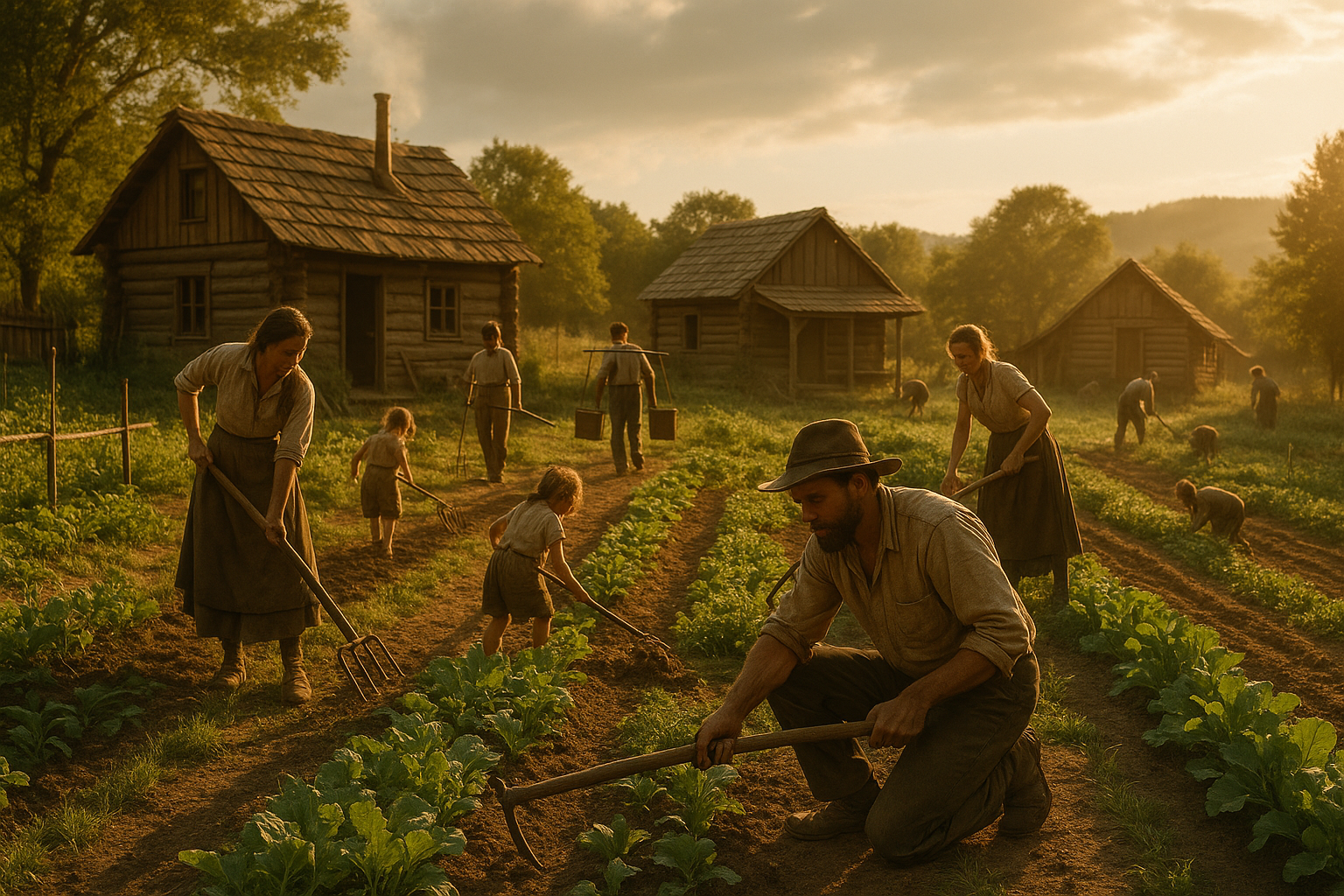
APPLIED WORK · COMMUNITY OPERATIONS · HUMAN-SCALE SYSTEMS
Human Systems Planning.Operational design for small communities.
Quarterbridge treats community formation as an operating problem: governance, land use, logistics, food systems, privacy, maintenance, and the deliberate use or refusal of automation.
The result is a practical planning surface for groups that want resilient human-scale systems rather than another layer of software abstraction.
APPLIED WORK · COMMUNITY OPERATIONS · HUMAN-SCALE SYSTEMS
Human Systems Planning.Operational design for small communities.
Quarterbridge treats community formation as an operating problem: governance, land use, logistics, food systems, privacy, maintenance, and the deliberate use or refusal of automation.
The result is a practical planning surface for groups that want resilient human-scale systems rather than another layer of software abstraction.
Operator mode
What you get (deliverables)
A real plan: scoped, sequenced, and written so a group of motivated adults can execute it with normal spreadsheets, printed binders, and a shared sense of purpose.
- Land + siting constraints, risk register, and winter-fail checks.
- Systems map: water, heat, food, waste, storage, maintenance.
- Roles + rotations, governance defaults, and incident protocols.
- A 30/90/180-day sequence (what to do first, second, third).
[ ] Water source + storage + freeze plan
[ ] Heating fuel math (worst-week scenario)
[ ] Food calories/day × people × 90 days
[ ] Tool library + consumables inventory
[ ] Role rotation schedule + handoffs
[ ] Conflict protocol + escalation path

Site & land strategy

Systems design (low-tech first)

Human operations
Field brochure
Human-scale systems planning
The point is not nostalgia. It is dependency design: deciding which processes should remain human, which should be automated, and which should have analog fallbacks.
Planning scopes
Written planning artifacts a group can execute: constraints, roles, logistics, risk registers, maintenance calendars, and first-year operating sequences.

Starter: Operating Assessment
A structured assessment + 90-minute call. You leave with a realistic first-year roadmap.
- Constraints + goals
- Skill inventory
- 12-month milestones

Core: Community Operating Model
Design of the shared operating model: analog-forward, maintenance-minded, and legible to the group.
- Food / water / heat plan
- Tooling + spares
- Roles + rotations

Deluxe: Privacy and Resilience Plan
Privacy, low-signal workflows, and resilient communications, framed around legality, safety, and practical tradeoffs.
- Connectivity minimization plan
- Device policy + hygiene
- Analog comms + redundancy
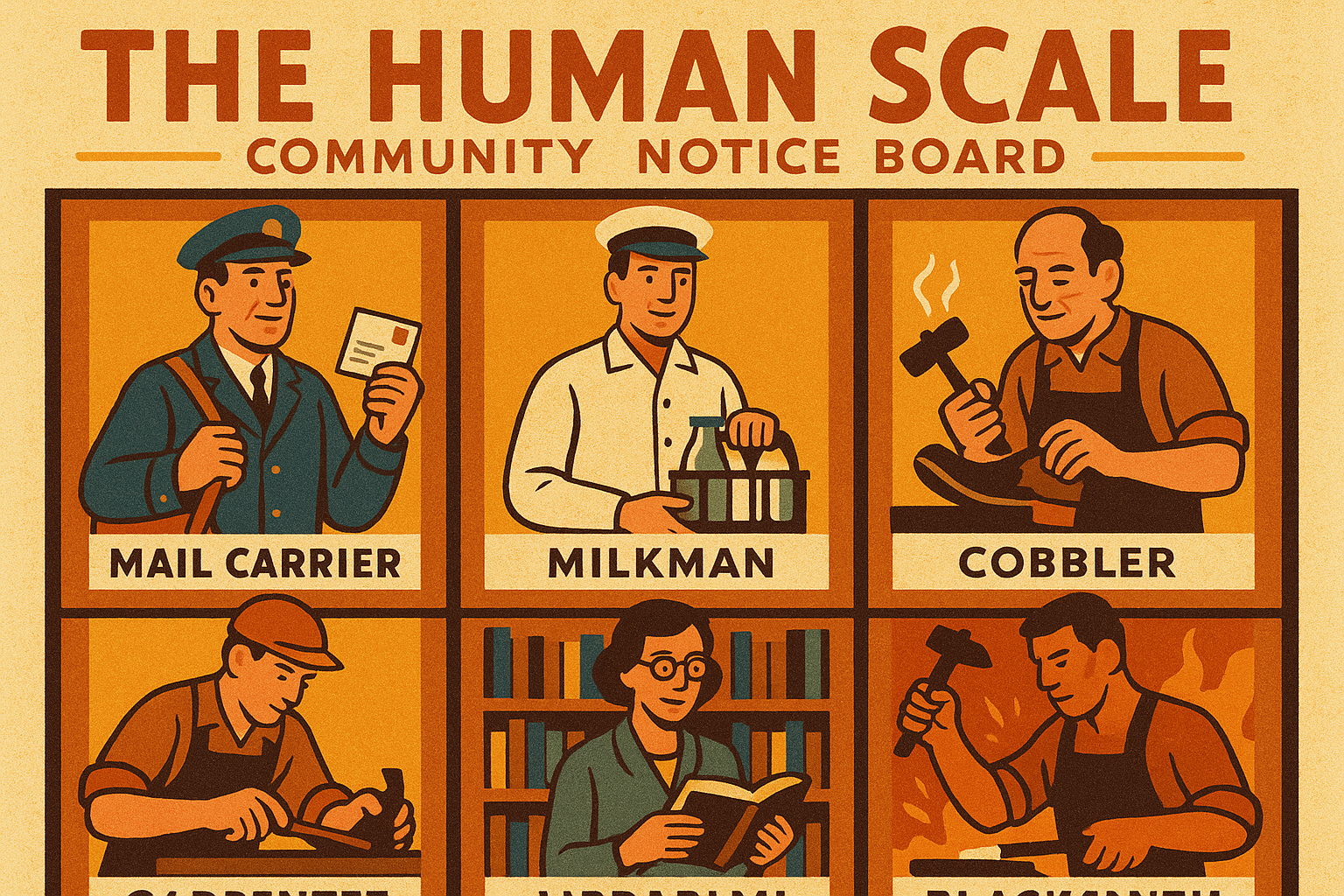
Role-based operations
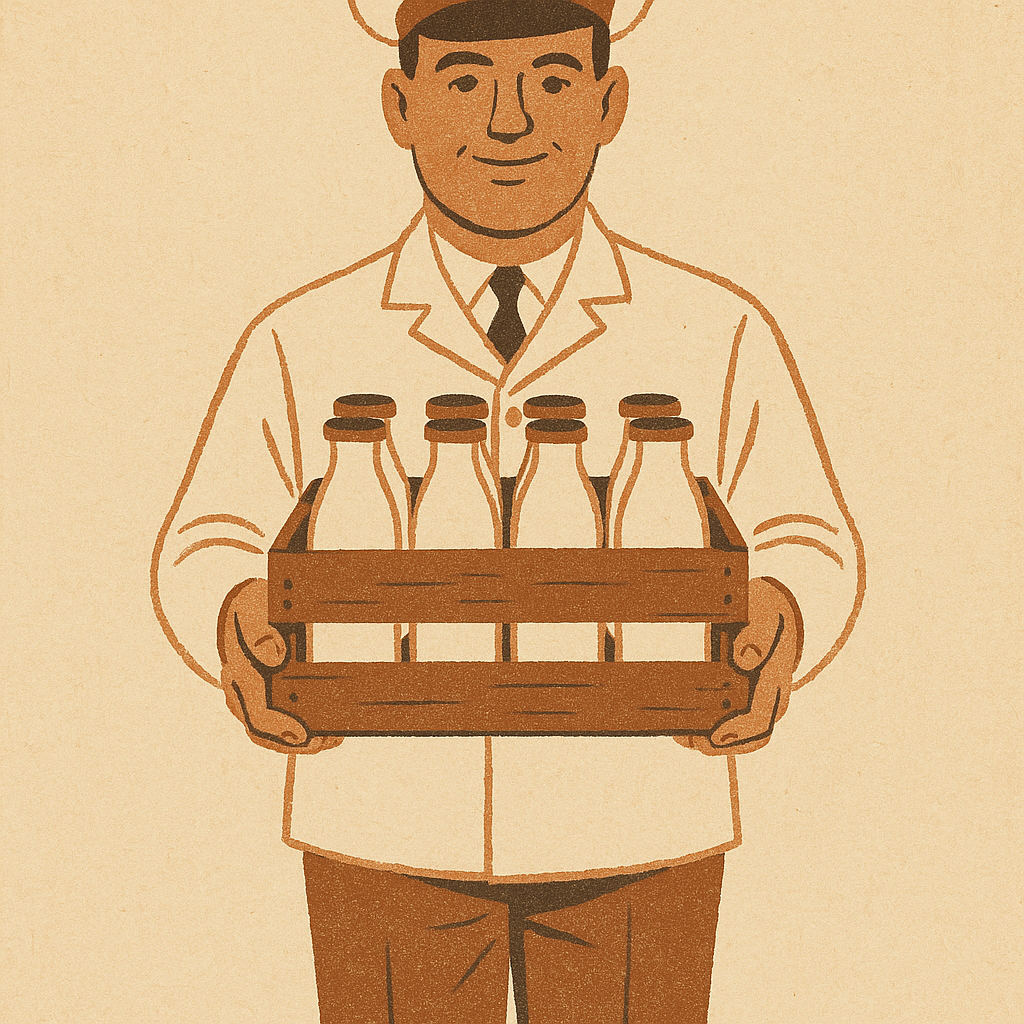
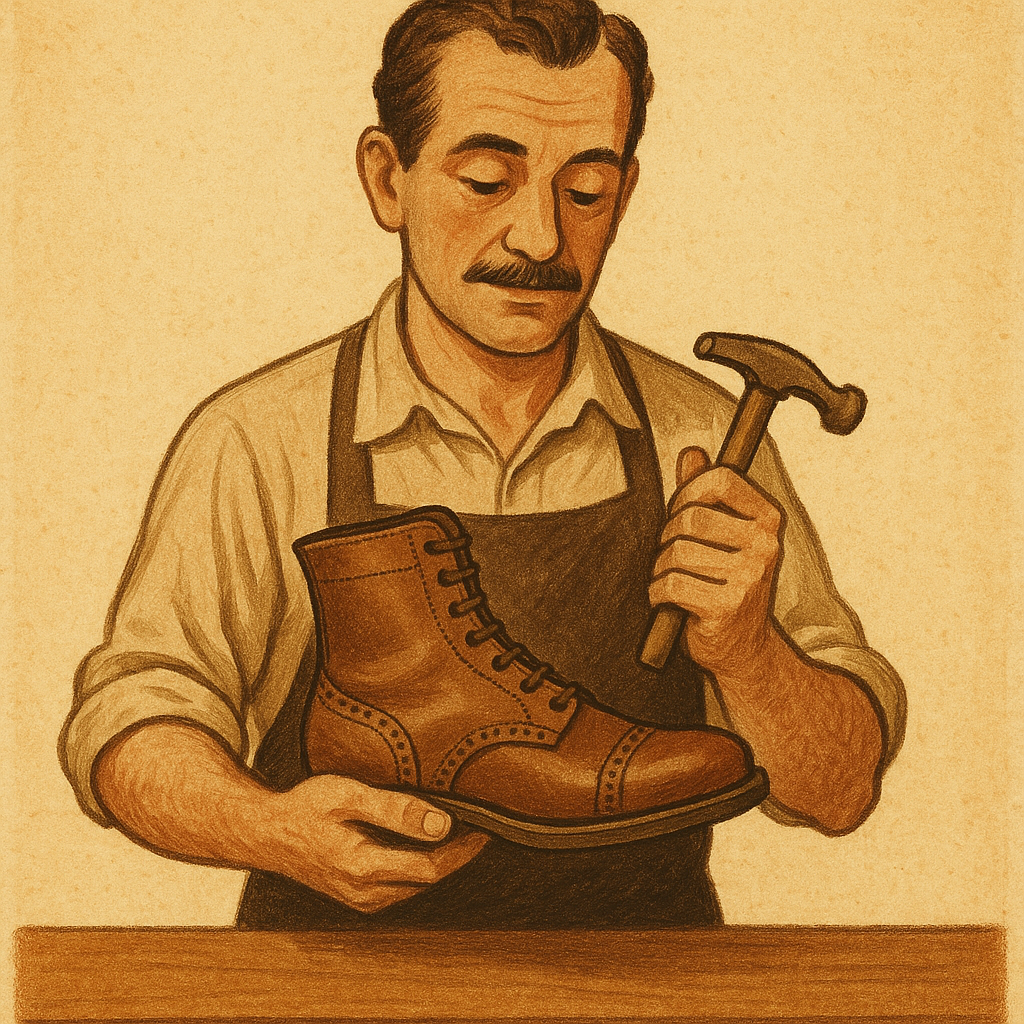
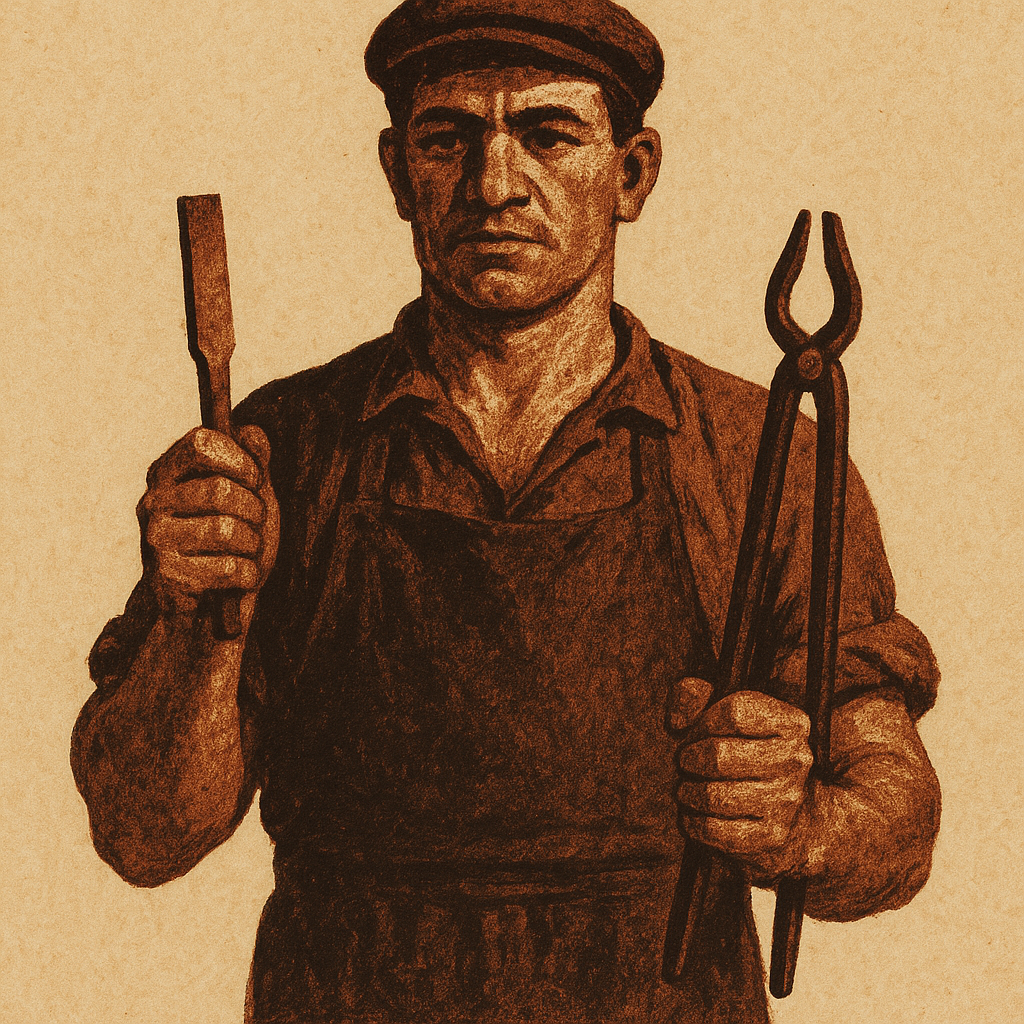
Communities become easier to run when important work has names, owners, backup owners, and maintenance rhythms. Traditional roles are treated here as operating primitives.



Low-signal environments
Low-signal design is treated as a requirements question: what should be reduced, why it matters, what it costs, and where professional engineering is required.
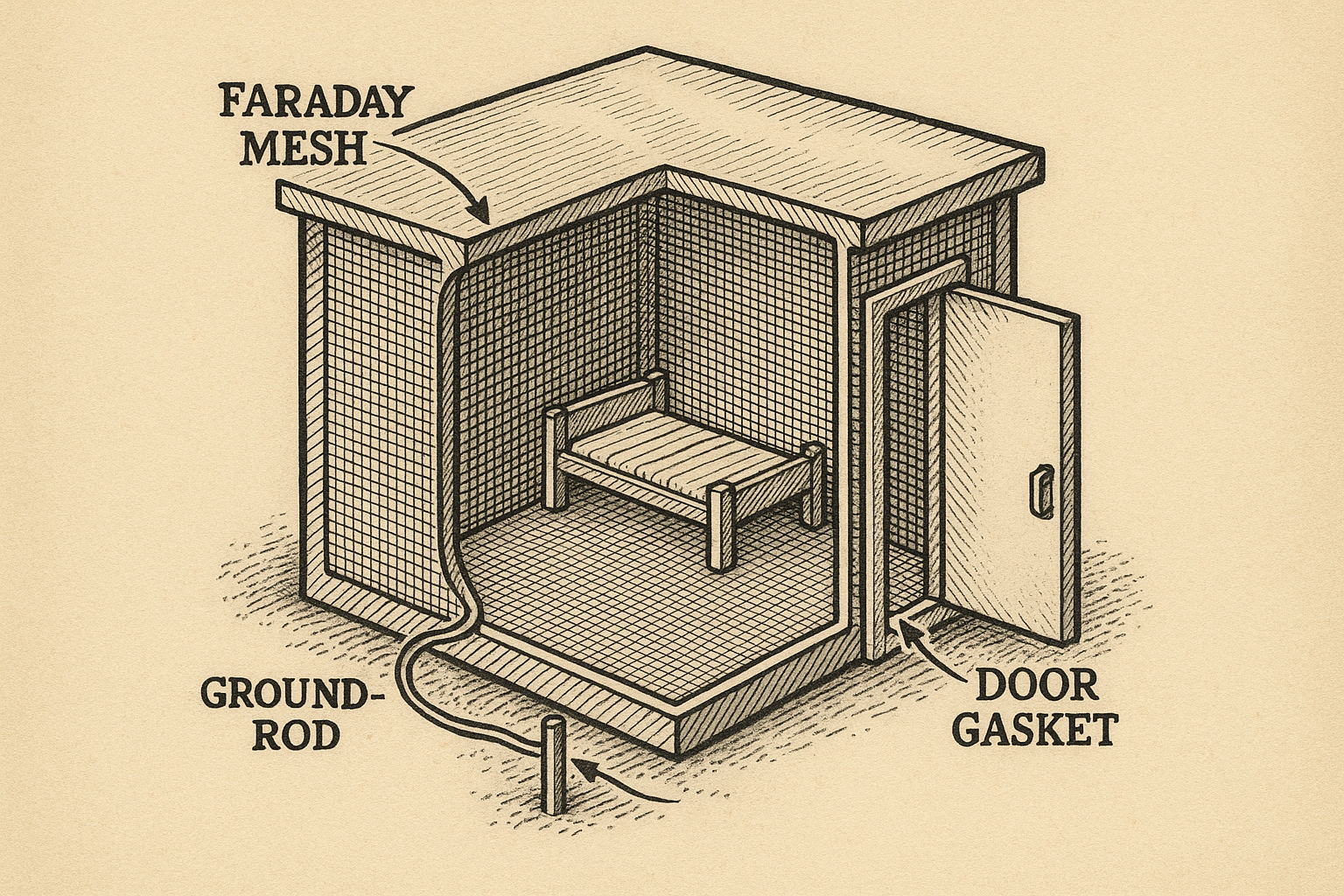
Conceptual illustration only. We don’t provide electrical engineering services.
FAQ
What is the technology posture?
No. The work is selective about technology: use it where it improves the operating model, and preserve human control where automation would make the group more brittle.
What is the AI posture?
No. It is AI-light by default: useful tools are allowed, but the core community systems should still function without agents, subscriptions, or opaque platforms.
How do we start?
Email us with your rough location, group size, and constraints. We’ll reply with a short human questionnaire and propose a first call.
Will you keep our information private?
Yes. We don’t have a means of saving it.